The Ethics of AI in Copywriting
Artificial Intelligence is transforming digital marketing, journalism, and SaaS content, accelerating ideation, improving personalization, and achieving unprecedented efficiency. Yet, as the adoption of generative AI tools grows, so do the ethical dilemmas that content creators, marketers, and tech companies must face.

The Rise of AI in Content Workflows
Modern SaaS platforms and marketing agencies now rely on AI-powered writing assistants, image generators, and data-based recommendation systems. The benefits, speed, lower costs, and 24/7 productivity are clear.
Example Use Cases:
- Generating product descriptions for e-commerce at scale.
- Creating personalized email sequences for customer segments.
- AI-generated blog and social posts optimized for search and engagement metrics.

Ethical Dilemmas: Who Owns AI-Generated Content?
AI-generated content blurs the line of authorship. Is the creator the person who prompts the AI, or is it the company that owns the algorithms?
- Some platforms claim rights over all generated assets.
- Others assert user ownership but restrict commercial use.
- Contract and licensing terms can be intentionally opaque.
Quick Tip: Always check the terms of your AI vendor before publishing or reselling AI-generated work.

Fact-Checking and Misinformation Amplified
AI can generate impressively realistic, but not always accurate, content. With the ability to produce hundreds of articles, images, or videos in minutes, the risk of amplifying misinformation skyrockets.
Case Study:
A health tech startup used generative AI to create hundreds of advice articles, but some were found to contain outdated or incorrect medical recommendations, leading to regulatory warnings and brand damage.
“AI should never replace rigorous human editorial standards. Automated tools can, inadvertently, spread misinformation at scale unless carefully monitored.”
— Dr. Sophie Liang, Digital Ethics Researcher

Deepfakes, Plagiarism, and Creative Theft
Risks to Creators:
- Deepfakes: AI can create convincingly realistic video or audio impersonations of real people. This raises concerns about identity theft, defamation, and fraud.
- Plagiarism: AI models are trained on vast quantities of existing content, raising questions about originality. Sometimes generated text or image closely resembles existing work.
- Copyright: Who owns the copyright for AI-generated pieces? Legal clarity is still emerging globaly.
How Plagiarism Checks Fall Short
Most plagiarism detectors compare raw text. AI-generated material can bypass detection by paraphrasing or remixing ideas in subtly new ways, making the risk of unintentional plagiarism higher.
Transparency, Disclosure, and Trust
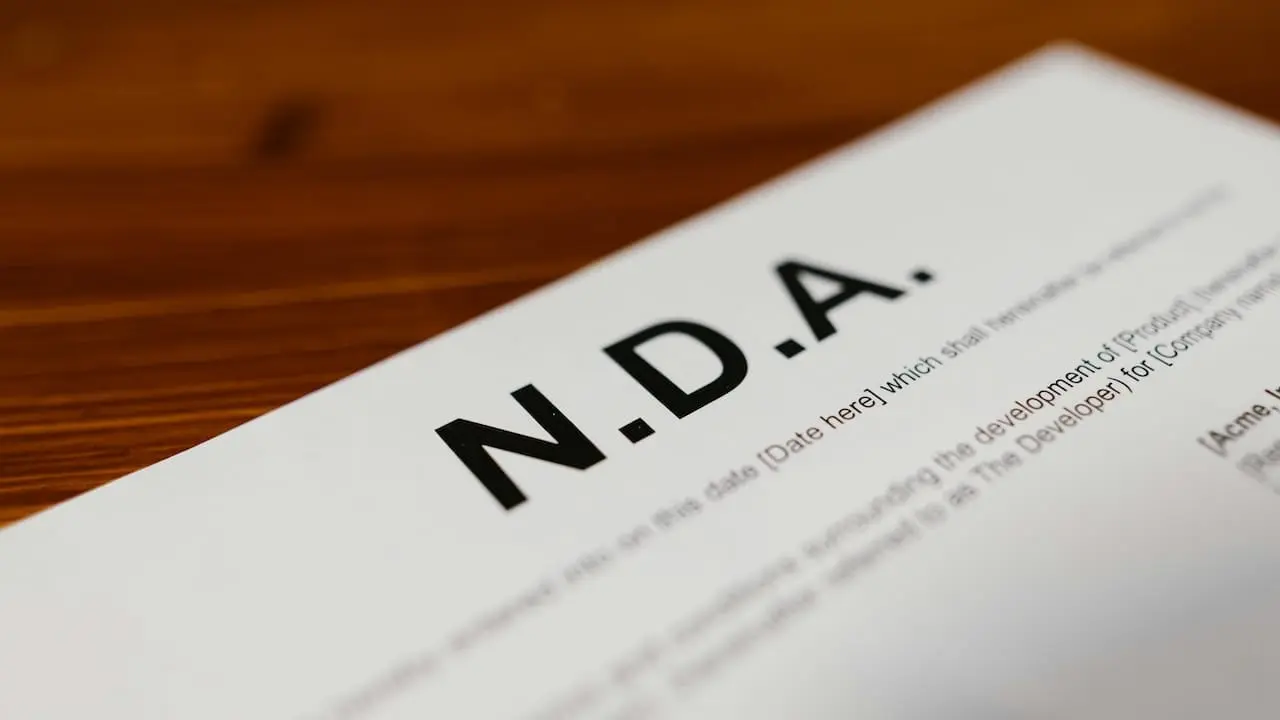
Audiences expect authenticity. If marketers or publishers use AI to create or augment content, do they have an ethical responsibility to disclose it?
- Hidden use of AI could erode customer trust if discovered later.
- Disclosure, on the other hand, might create skepticism regarding quality or misinformation.
- The FTC and EU regulators are considering rules for mandatory AI disclosure in advertising.
Practical Example:
Some news sites now display “AI-assisted” or “Generated by AI” badges under certain stories, allowing readers to make informed decisions.

Societal Impacts: Bias and Representation
AI models learn from human-created data. If that data contains bias, the AI will likely reflect and amplify it.
Critical Issues:
- Gender and racial stereotypes embedded in training data.
- Marginalized voices underrepresented or muted.
- Reinforcing narrow cultural perspectives in global content.
Action Point:
Teams should routinely audit AI outputs for bias, especially in sensitive fields or diverse markets.
“Without diverse datasets and careful oversight, AI risks perpetuating old prejudices, now at exponential scale.”
— Jalen Davies, SaaS Product Manager
Concluding Thoughts on the Ethics of AI and Content Creation
AI-driven content creation unlocks powerful possibilities, but also ethical risks that demand vigilance. As creators, marketers, and platforms, our responsibility is to blend technology with conscience, embedding transparency, respect, and human judgment into every workflow. Only then can we harness the benefits of generative AI while mitigating harm in the digital ecosystem.